Cake Fillings and Icings
Professional Royal Icing Recipe for Wedding and Christmas Cakes
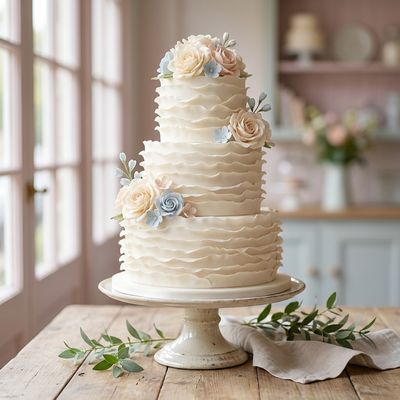
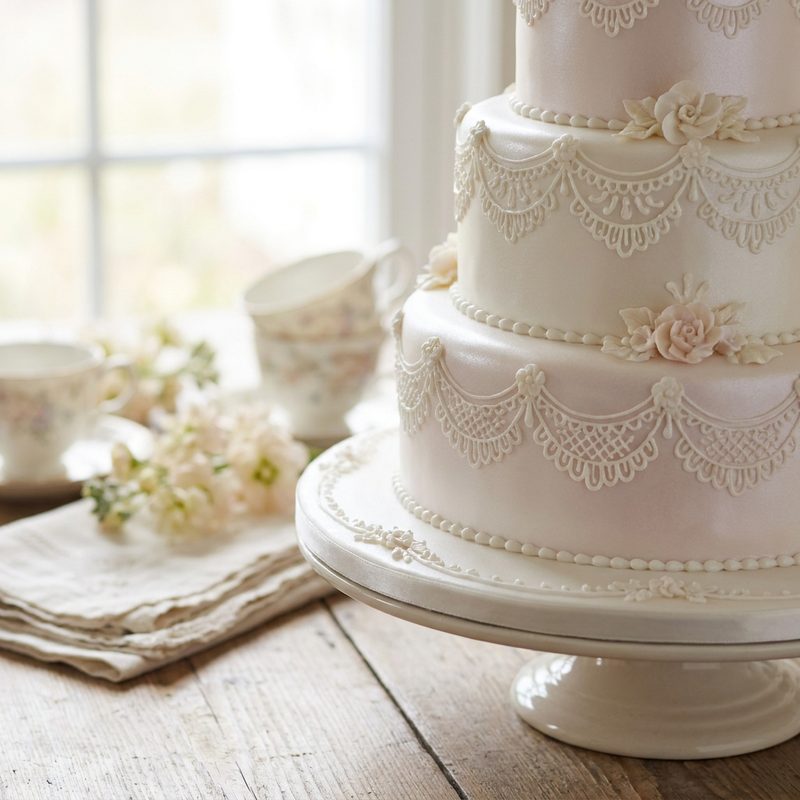
A quintessentially British icing known for its pristine white finish and structural integrity. Essential for classic Christmas cakes and tiered wedding masterpieces, this recipe yields a smooth, matte surface perfect for delicate piping or flat-coating.
- Prep
- 15 min
- Serves
- 24
- Level
- Medium
- Per serving
- 82 kcal
Method
Begin by ensuring your mixing bowl and paddle attachment are completely grease-free by wiping them with a little lemon juice. Sieve the icing sugar at least twice to ensure there are no lumps.
Place the egg whites into the bowl and lightly break them up with the whisk attachment on the lowest setting, but do not beat them to a froth.
Gradually add the icing sugar, one spoonful at a time, mixing on a slow speed. This prevents air bubbles from forming, which are the enemy of a smooth finish.
Once all the sugar is incorporated, add the strained lemon juice. Continue to beat on low speed for about 5-7 minutes until the icing is brilliant white and holds a stiff peak.
If you require a softer set for coating a cake you intend to cut easily, stir in the glycerine at the very end. For intricate piping work, omit the glycerine to ensure the icing stays crisp.
Cover the bowl immediately with a damp cloth or transfer to an airtight container to prevent a crust from forming before you are ready to decorate.
Notes
Always use pasteurised egg whites for food safety in no-cook recipes.
Grease is the enemy of royal icing; even a tiny trace of fat will cause the icing to break down and lose its structure.
If the icing is too stiff, add lemon juice drop by drop; if too soft, add more sifted icing sugar.
To remove air bubbles, use a palette knife to 'paddle' the icing against the side of the bowl before loading your piping bag.