Guide
How Much Cake per Guest: A British Guide to Perfect Portions
Calculating the correct amount of cake for a UK celebration requires an understanding of portion types and cake dimensions. This guide ensures your guests are well-fed while avoiding unnecessary waste or the dread of running short.
Step 1: Determine the Portion Type
In the UK, we generally work with two types of portions: 'Finger' slices and 'Dessert' slices. A finger slice is typically 1 x 1 x 4 inches (approx. 2.5 x 2.5 x 10 cm), ideal for weddings or events where other food is served. A dessert slice is larger, usually 1 x 2 x 4 inches, intended for afternoon tea or as a standalone course.
Step 2: Selecting the Cake Diameter
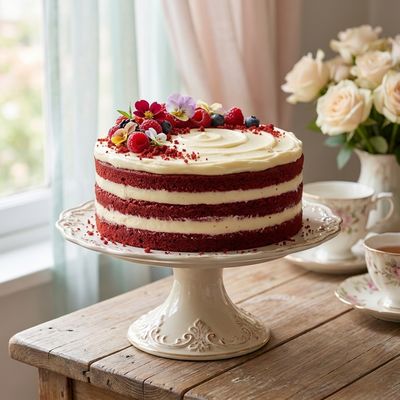
The size of your tin determines the number of portions. For a standard 4-inch deep sponge, a 6-inch round cake yields approximately 10-12 finger portions or 5-6 dessert portions. An 8-inch round provides roughly 24 finger portions or 12 dessert portions, while a 10-inch round serves 38 finger portions or 19 dessert portions.
Step 3: Calculating for Tiered Cakes
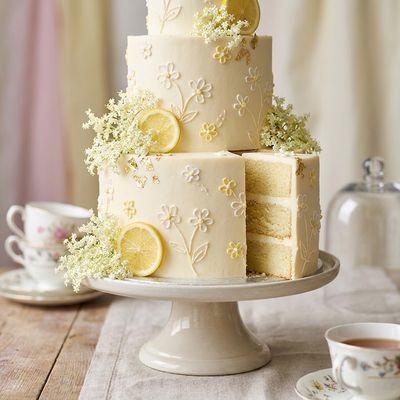
When stacking cakes, you must sum the portions of each individual tier. For a standard three-tier wedding cake (6, 8, and 10 inches), you can expect to serve approximately 70-75 guests with finger portions. Always account for the 'cutting wastage'—the small amount of sponge lost during slicing—by adding a 10% buffer to your final guest count.
Step 4: Mastering the Cutting Technique
To achieve the yields mentioned, the cutting technique is vital. For large round cakes, do not cut traditional 'wedges'. Instead, cut across the cake in a grid pattern. Slice a 1-inch thick slab across the diameter, then cut that slab into 1-inch or 2-inch wide pieces. This ensures every guest receives an even slice and the structural integrity of the remaining cake is maintained.