Sponges and Bases
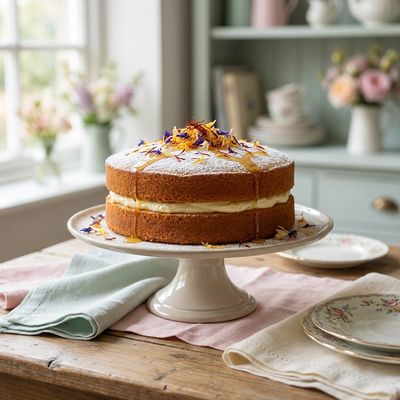
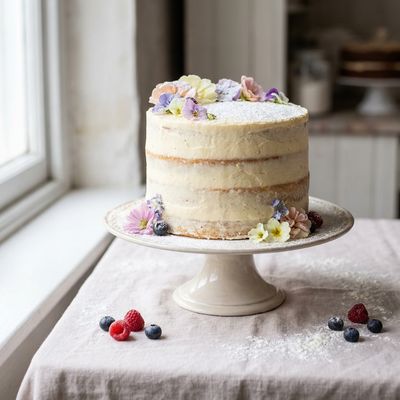
The Ultimate Professional Genoise Sponge Recipe
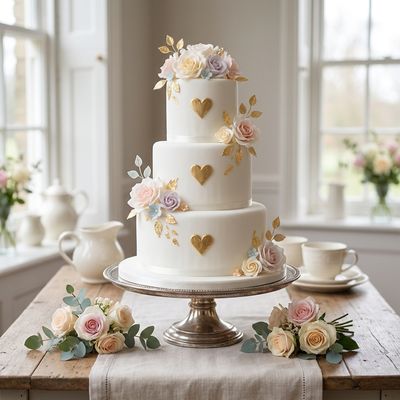
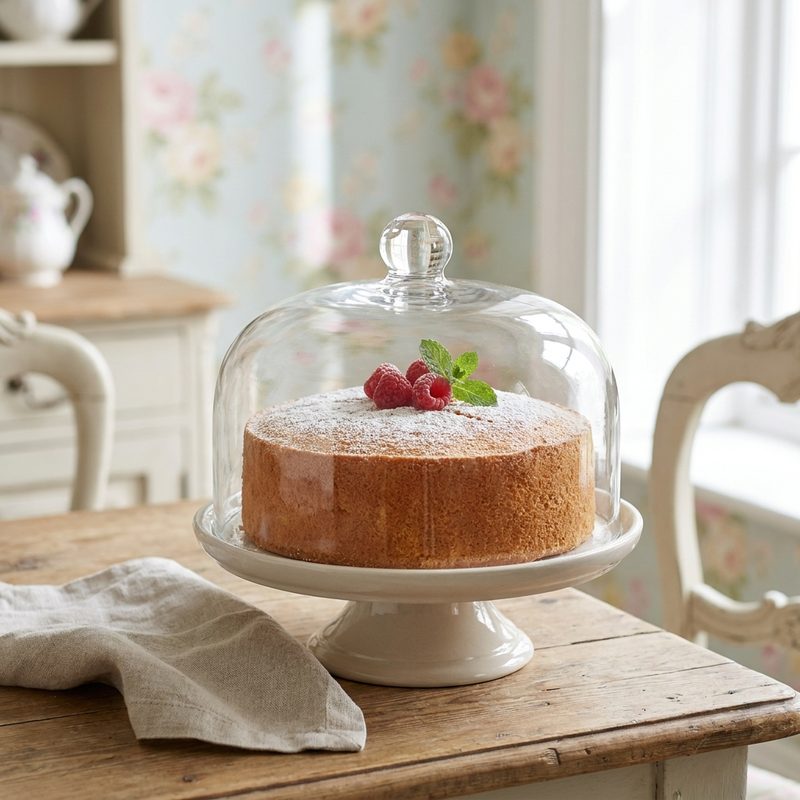
A foundational masterpiece for any pastry chef, this Genoise sponge is prized for its delicate crumb and structural integrity. Using the classic foaming method, this recipe delivers a light, buttery base that absorbs soaking syrups beautifully without losing its shape, making it the gold standard for tiered celebration cakes.
- Prep
- 20 min
- Cook
- 25 min
- Serves
- 4
- Level
- Medium
- Per serving
- 349 kcal
Method
Preheat your oven to 180°C (160°C fan) and carefully grease and line a deep 20cm (8-inch) round cake tin with greaseproof paper.
Create a bain-marie by placing a large heatproof bowl over a saucepan of barely simmering water, ensuring the base of the bowl does not touch the water. Add the eggs and caster sugar to the bowl.
Whisk the eggs and sugar gently over the heat until the sugar has completely dissolved and the mixture feels warm to the touch—about 40°C if using a thermometer.
Remove the bowl from the heat and whisk vigorously using a stand mixer or hand-held electric whisk until the mixture has tripled in volume and reached the 'ribbon stage'. This is when the beaters leave a distinct trail on the surface that stays for at least 3 seconds.
Sift the plain flour twice to ensure maximum aeration. Very gently, fold the flour into the egg mixture in three batches using a large metal spoon or spatula, using a figure-of-eight motion to preserve the air bubbles.
Melt the unsalted butter and allow it to cool slightly. Take a small cupful of the cake batter and stir it into the melted butter until combined, then gently fold this enriched mixture back into the main batter along with the vanilla bean paste.
Pour the batter into the prepared tin and bake for 25–30 minutes until the sponge is golden brown, springy to the touch, and the sides are just beginning to shrink away from the tin.
Leave to cool in the tin for 5 minutes before turning out onto a wire rack to cool completely. Once cold, wrap in cling film until ready to assemble.
Notes
Always use a large metal spoon for folding in the flour; the sharp edge cuts through the bubbles less than a plastic spatula.
Ensure your butter is melted but cooled; hot butter will instantly deflate the delicate egg foam.
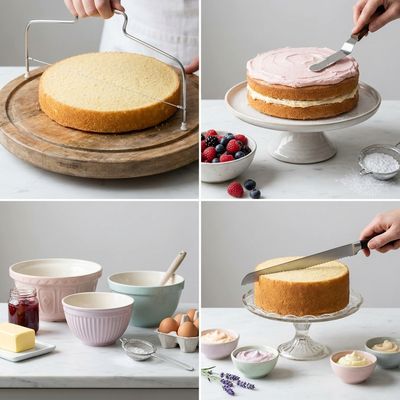
Genoise is naturally drier than a Victoria sponge, so always brush your layers with a simple sugar syrup before filling.
Sifting the flour twice is not a suggestion—it is vital for the light, airy texture required for professional gateaux.